

 Important Notice: Receipt Book Theft
Recently, A Museum donations receipt book was stolen and has been reported to the police. Please only donate:
-
In person, at the Museum to known Museum Staff
-
Directly deposit the donation into the Museum’s account
-
Or via our online donations page
Official receipts will be issued for any donations received in the above manner.
Thank you,
Museum Secretary
secretary@sydneytrams.org.au
Take A Ride On A Vintage Tram
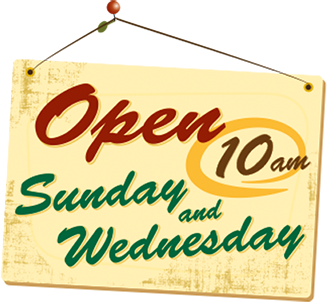
Open Every WEDNESDAY 10am to 3pm AND SUNDAY 10am to 5pm
Please allow 2-3 hours for your visit.
Last entry Wed: 2pm
Last entry Sun: 3:30pm
PLEASE BE ADVISED: Services on the Royal National Park line are currently not running to allow for track work to be undertaken. Reduced services on our Sutherland line are still available.
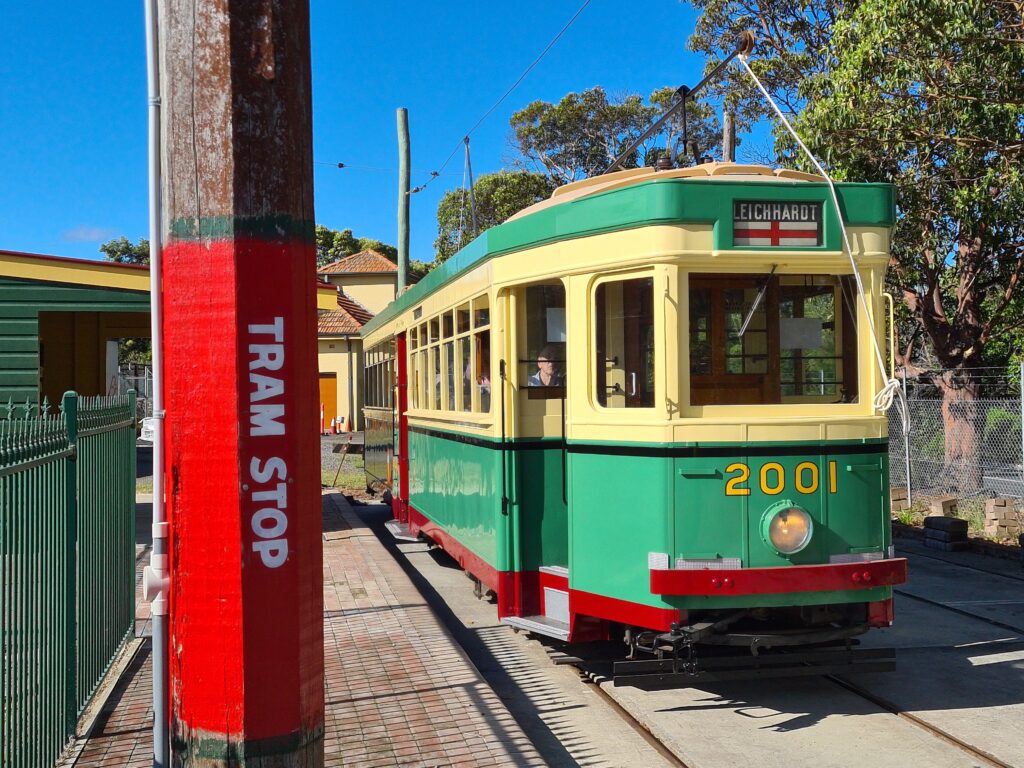
ENTIRELY VOLUNTEER RUN!
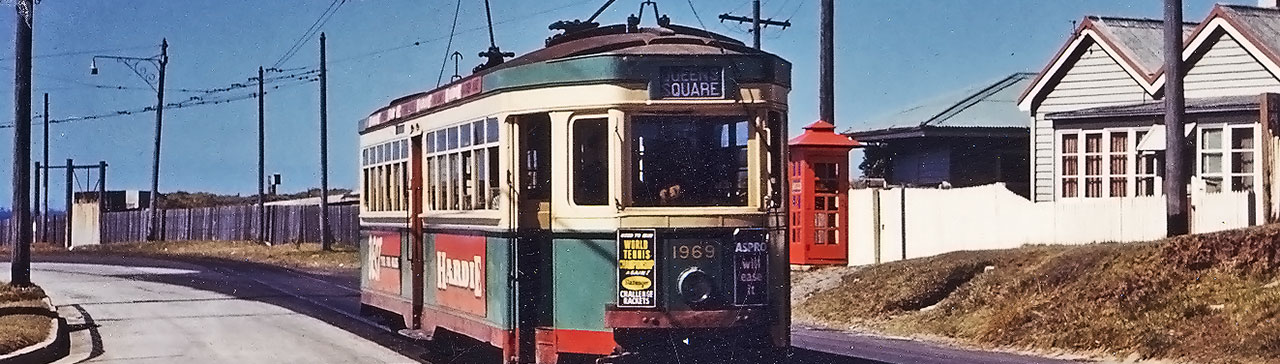
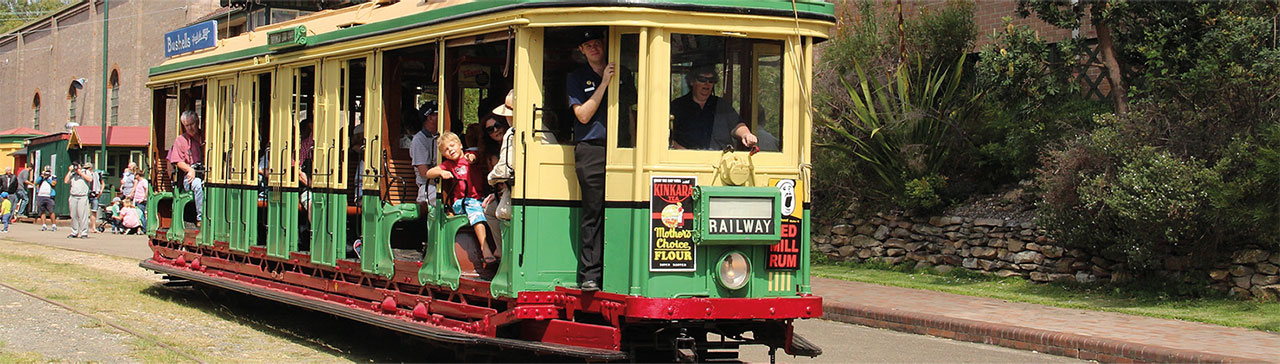
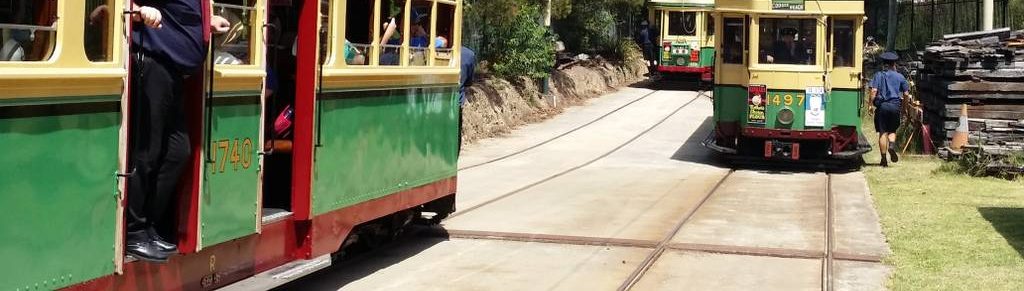
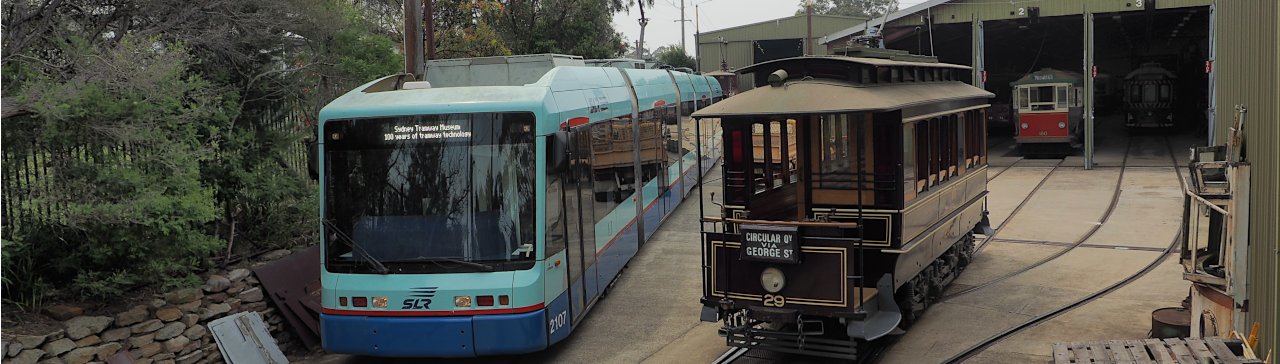
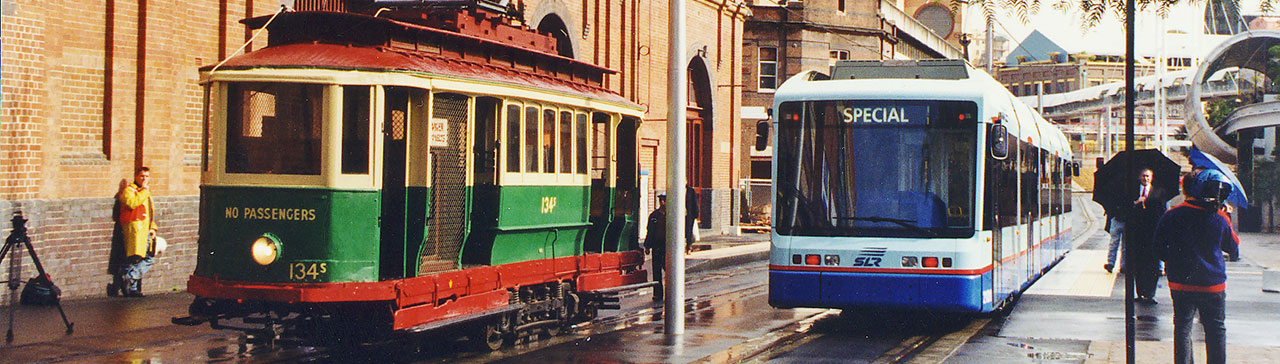
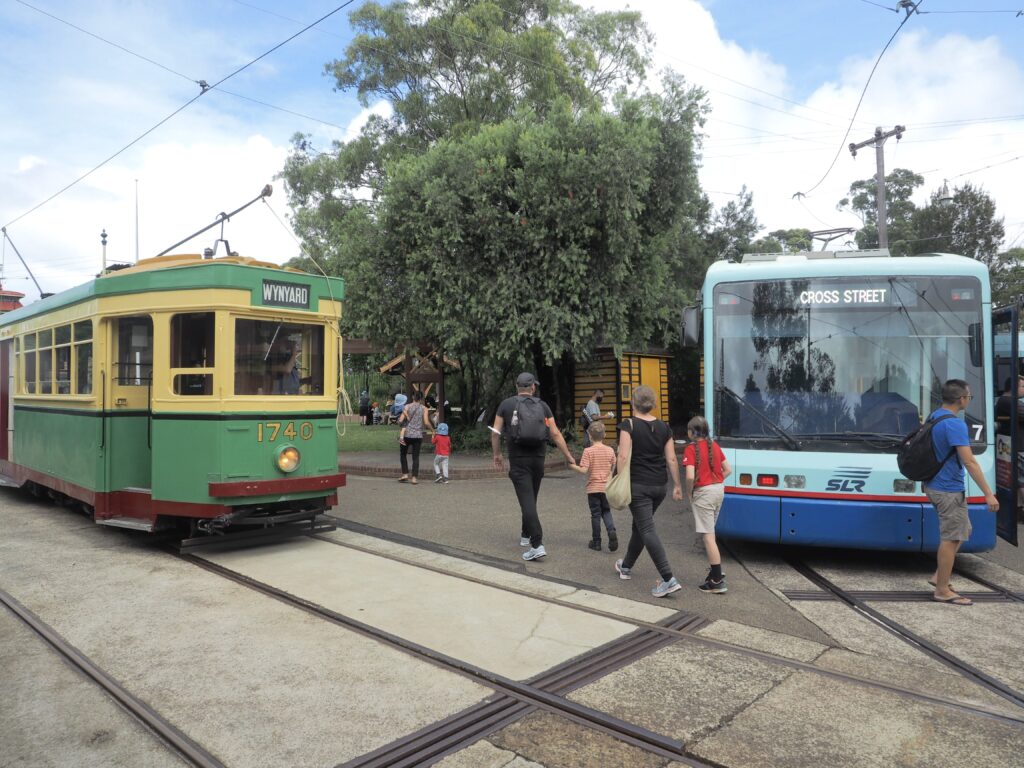
Take a step back in time at the Sydney Tramway Museum; a great day out for the whole family. It is a unique attraction in the Sutherland Shire, and has been for over 50 years. Our aim is to preserve and operate Sydney’s vintage trams, which were an important part of everyday life for over 80 years until 1961. You can experience a wide selection of them at the museum, plus an interstate collection of trams from Brisbane, Melbourne, Adelaide and Ballarat, as well as trams from overseas including San Francisco, Nagasaki, Munich, Milan and Berlin.
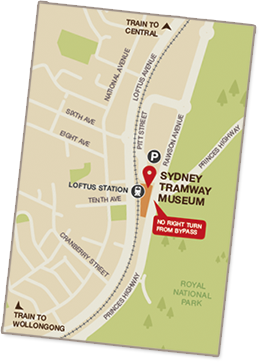
Conveniently located right next to Loftus railway station, get your ticket from the conductor and jump on board to travel along 4km’s of track towards Sutherland and the Royal National Park. The first tram operates at 10.15am, then hourly. (Last entry to the museum is 2:00pm on Wednesday with last trip departing at 2:30pm, Sunday is 3:30pm final entry with final trip at 4:00pm.)
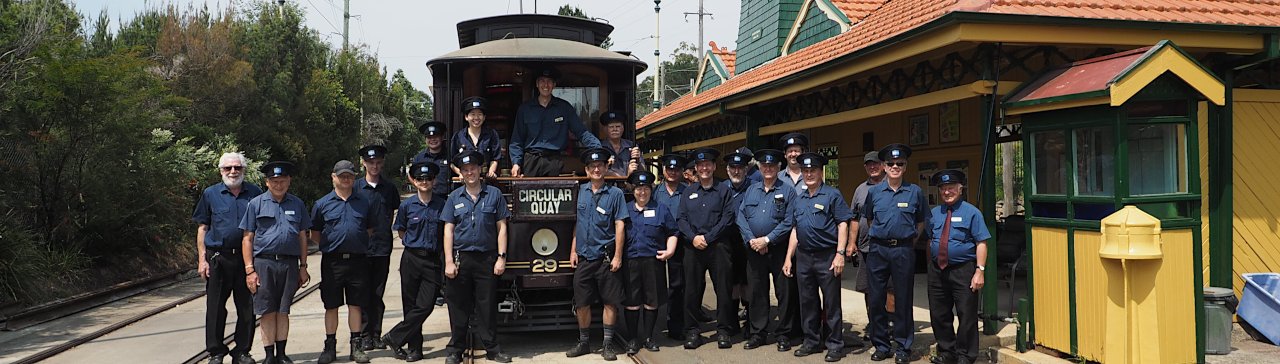
The Museum is entirely run by volunteers and every dollar from your ticket sale goes towards keeping the museum operational. We pride ourselves on being a hands on experience so young and old can enjoy our trams.
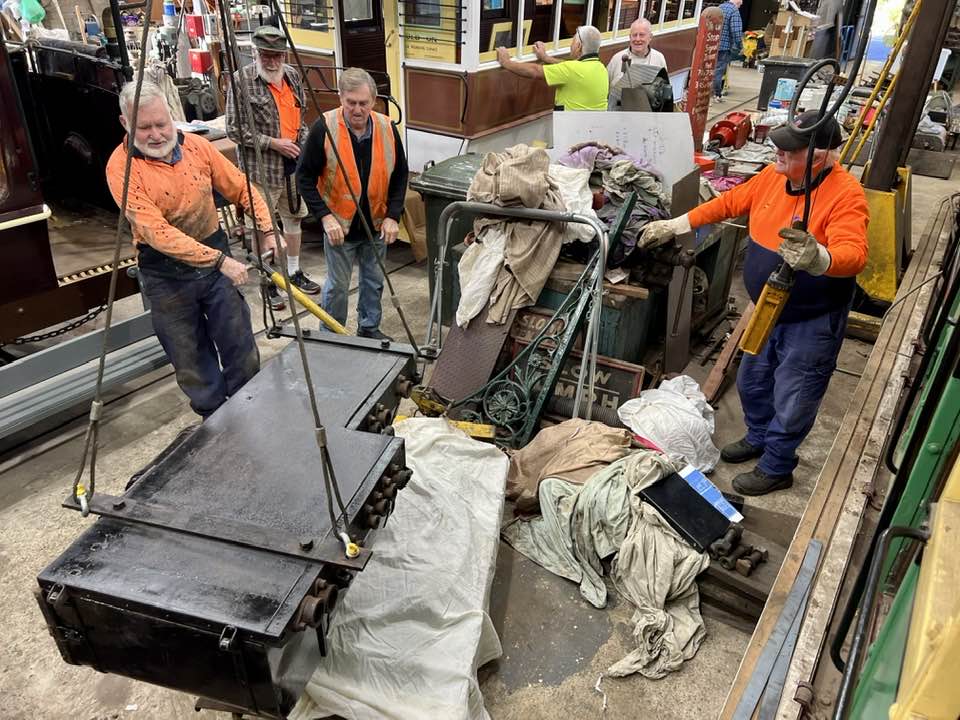
WE NEED YOUR HELP!!!
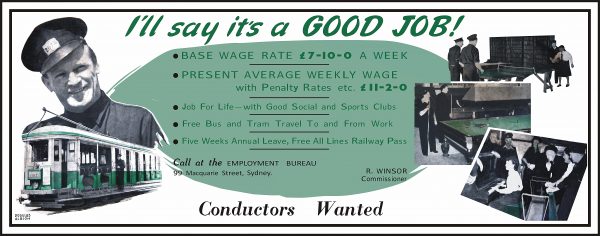
We are in need of more volunteers to help out, so if you really enjoy your visit to the museum why not come back, pick up a membership form from one of our helpful volunteers, become a member, and lend a hand? Volunteers are needed in all areas of the museum, from Traffic conductor and driver, to helping in the workshop, infrastructure, cleaning, and even admin. Find out more here.
The Museum has published a
NEW BOOK ON SYDNEY’S TRAMS
Click here for information and ordering.
Mobility-impaired visitors have easy access to most of the site. However as the trams themselves were designed up to 120 years ago, access to the trams is somewhat restricted by their design. However, a platform is provided to ease access to trams and the Museum staff will assist wherever possible. We look forward to your visit.